
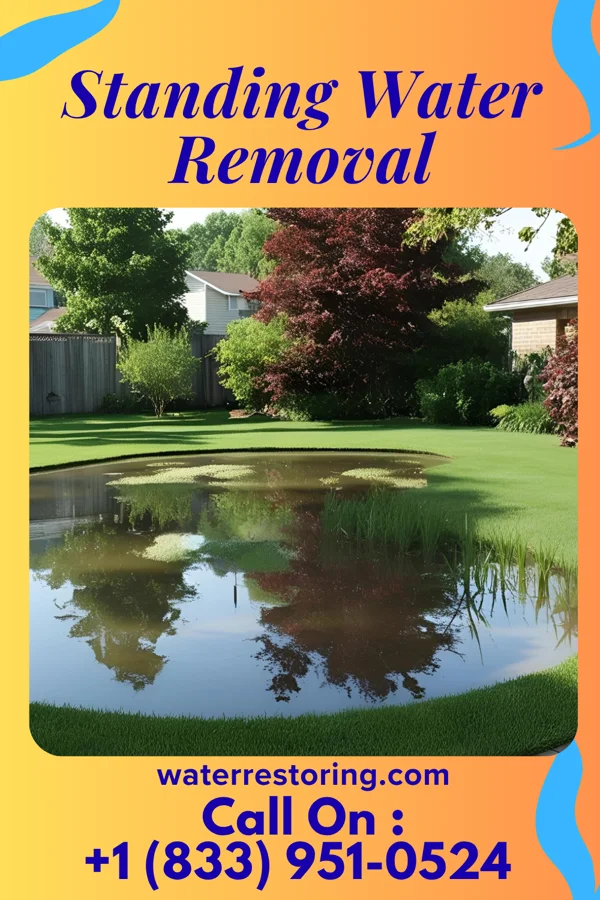
Common Standing Water Causes in Port Clarence
Most standing water removal calls in Port Clarence come from In Port Clarence, Alaska, the primary water damage cause is often due to sudden flooding from the Bering Sea, especially during storm events. Coastal erosion and high tides can also lead to water intrusion in homes and commercial properties. These events are more frequent during the fall and winter months.. A close second is Secondary causes include plumbing leaks from aging infrastructure, backed-up sewers, and snowmelt runoff. In rural areas, lack of proper drainage systems exacerbates these issues, particularly in low-lying regions near the coast.. If you know what is about to happen, the decisions during the first 48 hours get a lot easier.
Port Clarence experiences a subarctic climate with long, cold winters and short, cool summers. This climate increases the risk of frozen pipes and water damage from thawing permafrost. High humidity and frequent rainfall also contribute to mold and water damage risks.
Most standing water removal calls in Port Clarence come from In Port Clarence, Alaska, the primary water damage cause is often due to sudden flooding from the Bering Sea, especially during storm events. Coastal erosion and high tides can also lead to water intrusion in homes and commercial properties. These events are more frequent during the fall and winter months.. Running a close second is Secondary causes include plumbing leaks from aging infrastructure, backed-up sewers, and snowmelt runoff. In rural areas, lack of proper drainage systems exacerbates these issues, particularly in low-lying regions near the coast.. Local mold risk: Mold can develop quickly in Port Clarence due to the high humidity and frequent rain, making prompt water damage response critical. Mold growth can occur within 48 hours, which is why immediate action is essential to protect health and property.
For public guidance on the health effects of mold after prolonged water exposure, see the EPA mold and health page.